
Culture
Lagos Fanti Carnival: Where Heritage Comes Alive on the Streets of Lagos Island
One of West Africa's most distinctive cultural celebrations returns to Tafawa Balewa Square — a living heritage event rooted in the extraordinary history of Afro-Brazilian returnee communities, featuring elaborate costumed processions, masquerade performances, and centuries of ancestral pageantry.
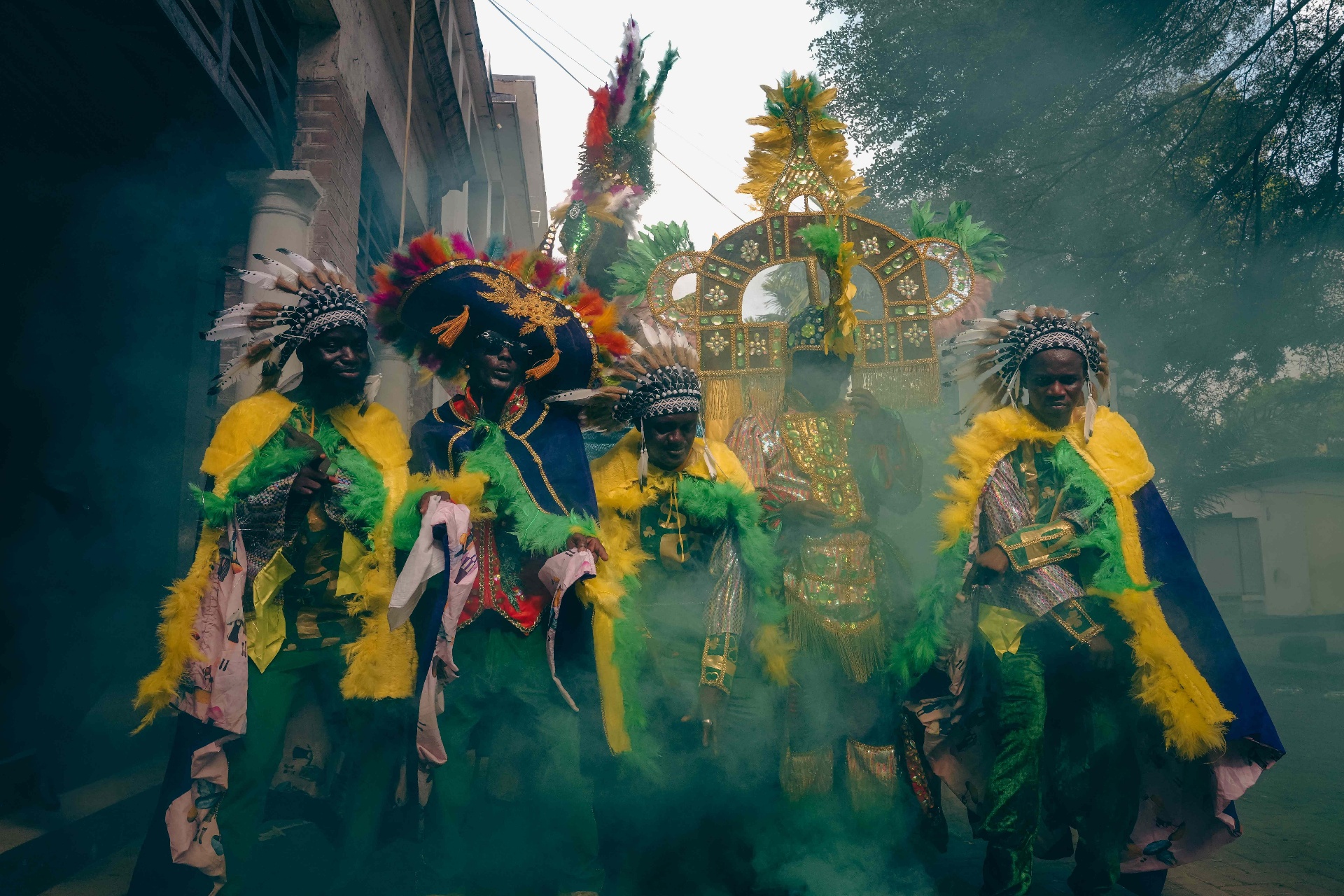
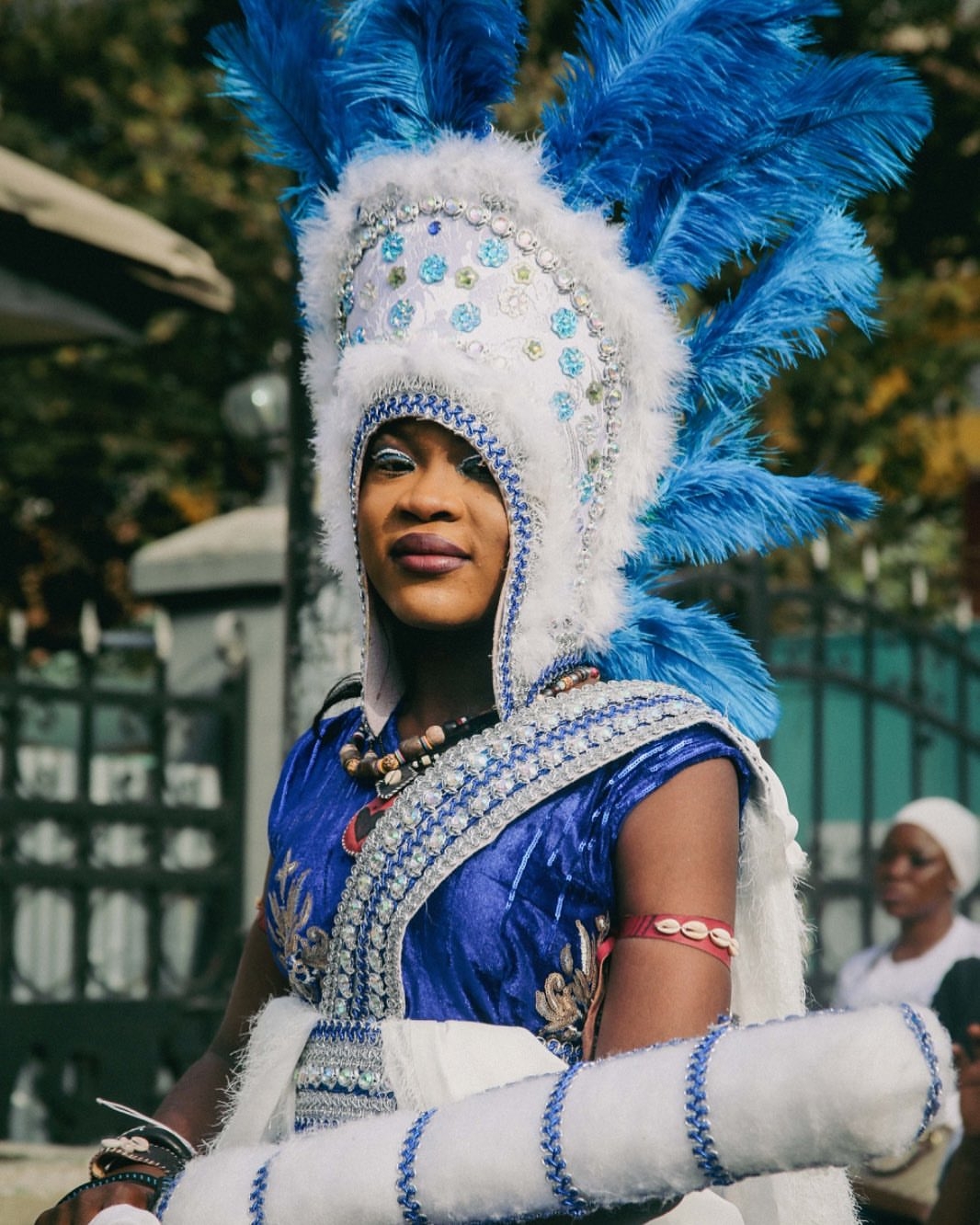
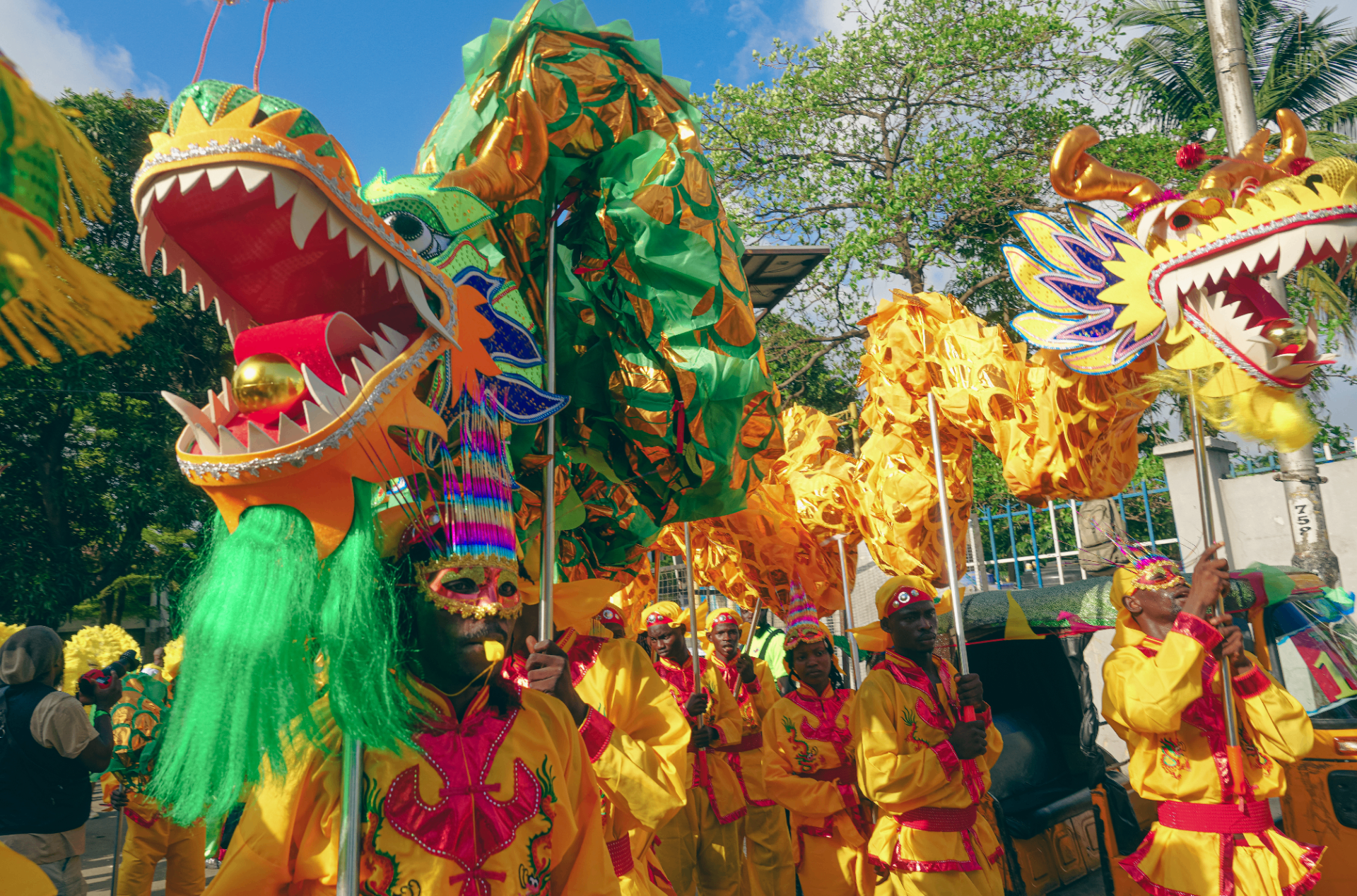
Every April, the streets of Lagos Island transform into a spectacle of colour, ancestry, and defiant beauty. The Lagos Fanti Carnival is not merely a festival — it is a living document of one of the Atlantic world's most remarkable migrations, carried home by communities who refused to let their culture die in the middle passage.
A Story Written in Costume and Rhythm
From the 1830s onward, formerly enslaved Africans — many of Yoruba descent — began returning to West Africa from Brazil, Cuba, and the wider Americas. They came back transformed: shaped by decades of forced displacement, yet carrying with them languages, trades, faith practices, and street traditions they had refused to surrender. These returnees, known in Lagos as the Aguda, settled on Lagos Island in neighbourhoods like Popo Aguda, Olowogbowo, Lafiaji, and Brazilian Campos.
By the 1880s, they represented nearly a tenth of Lagos's population. Their fingerprints are still visible in the city: in the Portuguese-inflected architecture along certain streets, in dishes like frejon and acara, and in the Catholic feast-day customs that became woven into community life. The Fanti Carnival emerged from this cultural fusion — the name believed to stem from fantasia, the Portuguese word for costume or imaginative dress.
To attend the Fanti Carnival is to witness history that has never stopped moving — a celebration that is simultaneously a historical record, a community gathering, a creative platform, and a statement of belonging.
Three Pillars. One Celebration.
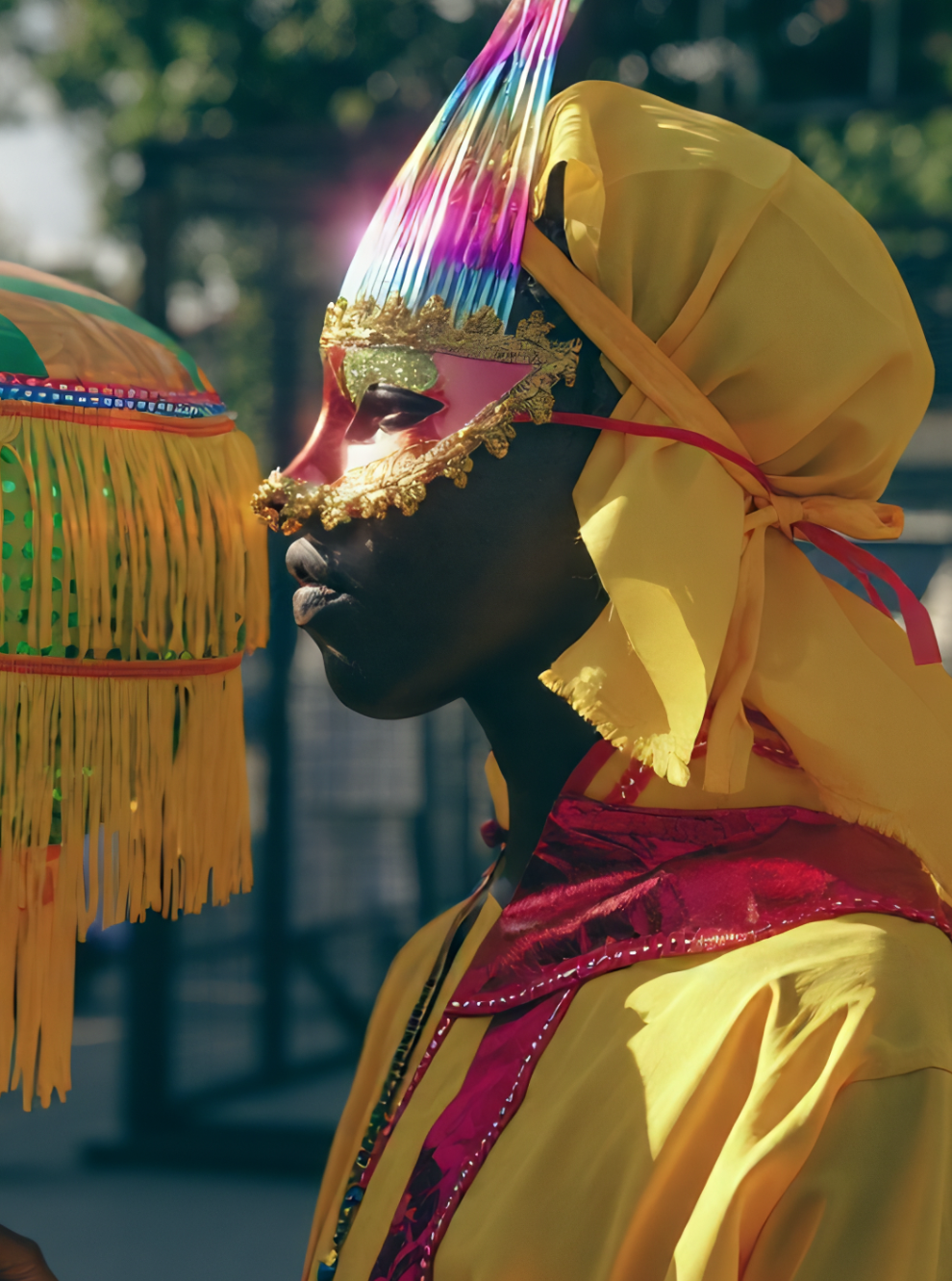
The carnival rests on three pillars that have sustained it for over a century. First, Cultural Performances — the dance, drama, and ancestral arts that form the spiritual backbone of the event. Second, the Parade and Procession — a breathtaking spectacle of heritage and colour that winds through the historic neighbourhoods of Lagos Island. Third, Music and Community — the rhythms that unite generations, from the elders who kept the tradition alive to the young performers who carry it forward.
Seven Communities, One Procession
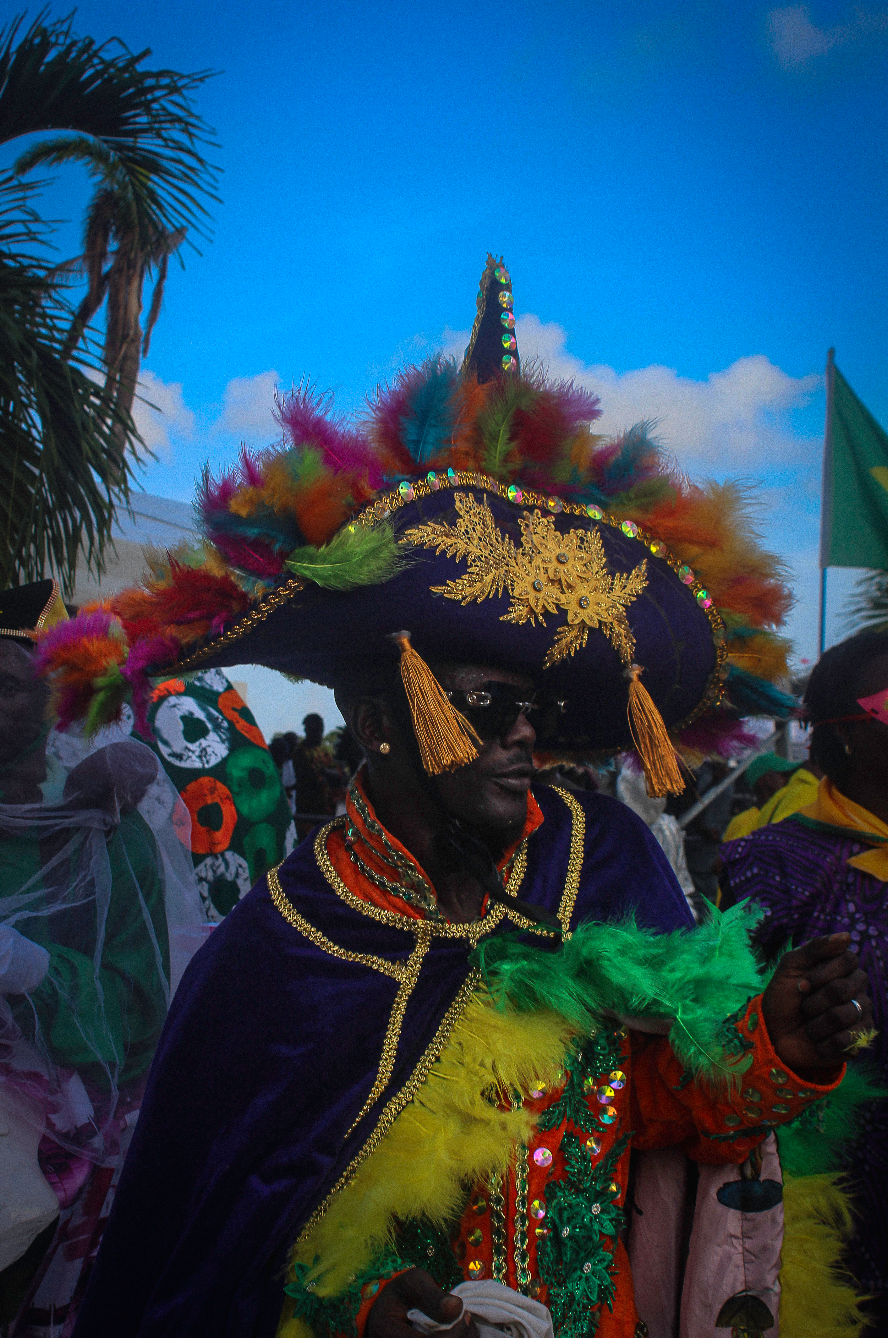
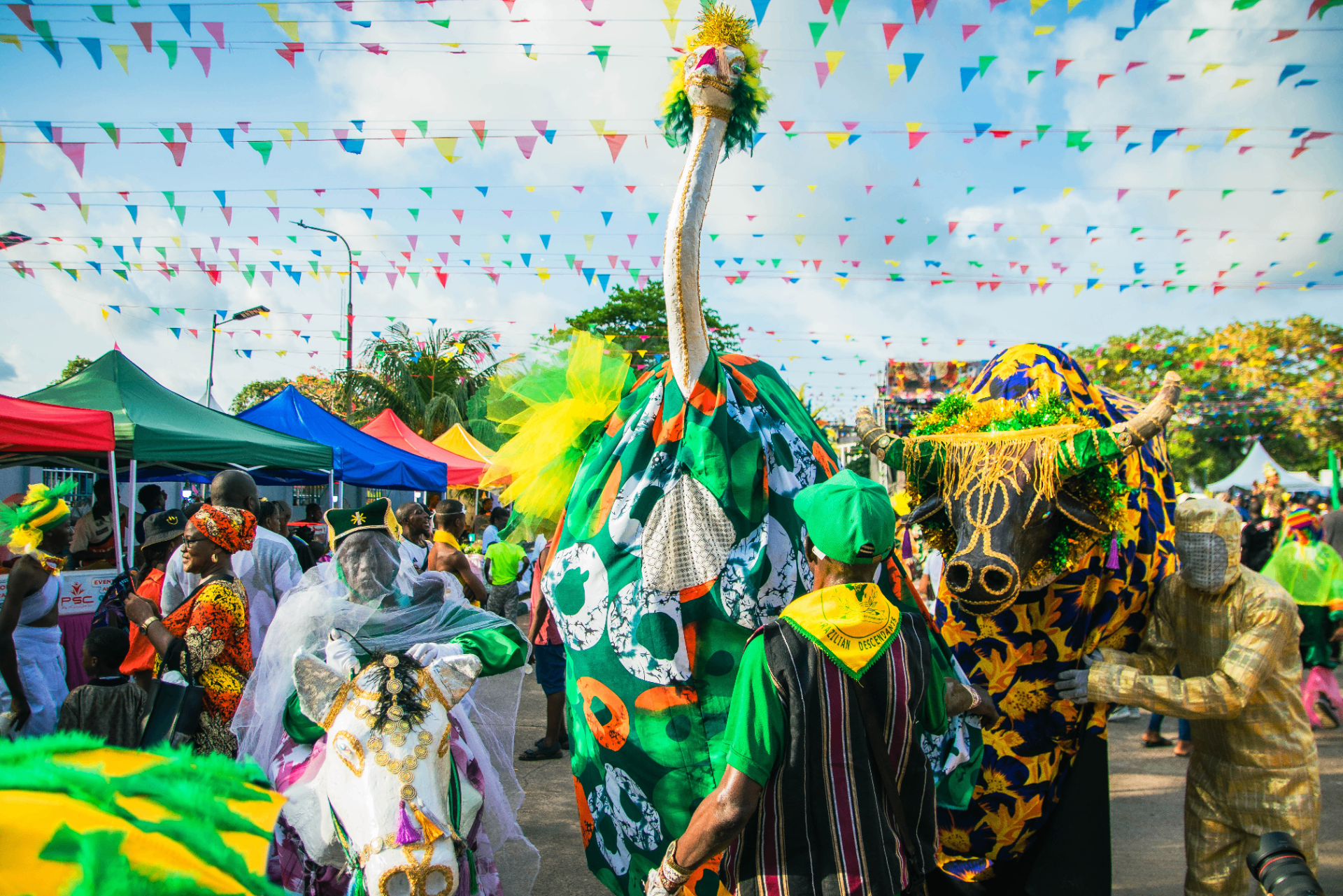
The Fanti Carnival has been sustained by seven historic community associations rooted in the original Aguda settlements: Isale-Eko Woro, Olowogbowo, Okoo-Faji, Lafiaji, Okepopo, Epetedo United Youth Movement, and Brazilian Campos Carreta. Each brings its own colours, choreography, and neighbourhood identity to the procession. The carnival grew through the 20th century, fell dormant for a period, and has since been powerfully revived by these same intergenerational communities who kept the tradition alive.
The tradition itself descends from the careta, an Afro-Catholic form of masked street performance that the Aguda had known in Brazil. As they rebuilt their lives on Lagos Island, these customs merged with Yoruba music and spirituality to create something entirely new: a celebration that was neither wholly Brazilian nor wholly Yoruba, but entirely its own.
April 6, 2026 — Tafawa Balewa Square
This year's Lagos Fanti Carnival takes place on Monday, April 6, 2026, at Tafawa Balewa Square, Lagos Island. Gates open at 10:00 AM. The event is strictly by invitation — an exclusive cultural gathering that honours the intimacy and reverence the celebration demands. Carnival passes are available through the official channels, and transport includes BRT and ferry access with free shuttles from major hubs.
The Lagos Fanti Carnival connects Lagos Island to the broader story of the African diaspora, to Brazil, to the Atlantic world, and to the enduring resilience of communities who carried their culture across oceans and kept it alive.
Why It Matters
The Lagos Fanti Carnival is one of Nigeria's most layered cultural events. It is a celebration that is simultaneously a historical record, a community gathering, a creative platform, and a statement of belonging. In an era where cultural identity is increasingly commodified and flattened, the Fanti Carnival stands as proof that tradition can be both preserved and progressive — a living thing that breathes, adapts, and refuses to be a museum piece.
For HotNewAfro, covering the Lagos Fanti Carnival is about more than event reporting. It is about amplifying the stories of communities whose cultural contributions have shaped the identity of Lagos itself. The Aguda legacy is woven into the architecture, the food, the faith, and the music of Lagos Island — and the Fanti Carnival is its most vivid, joyful expression.
About Lagos Fanti Carnival
The Lagos Fanti Carnival is one of West Africa's most distinctive cultural celebrations — a living heritage event rooted in the history of Afro-Brazilian returnee communities on Lagos Island. Organised by seven historic community associations, it features elaborate costumed processions, traditional music, masquerade performances, and community pageantry.
Follow Lagos Fanti Carnival: @lagosfanticarnival
Explore HNA