
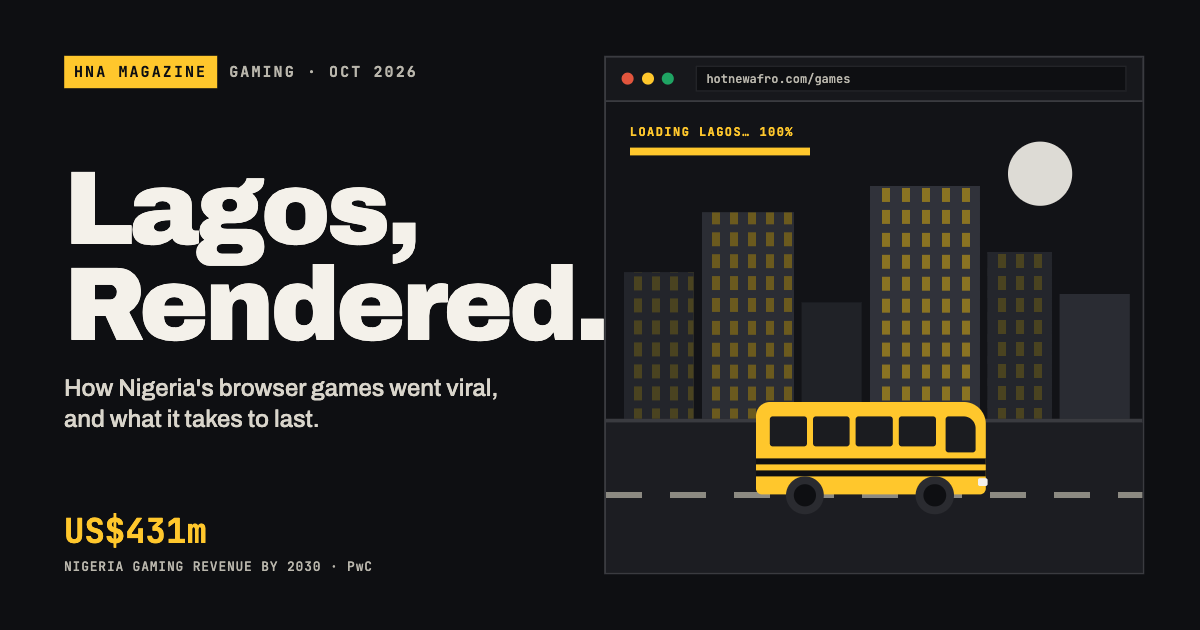
HNA Magazine · Gaming · 21 October 2026
Lagos, Rendered: How Nigeria's Browser Games Went Viral
In under three weeks, two side projects turned Lagos into a playable city and pulled in more than a million players. What happened, why it happened now, and what has to happen next for it to last.
By Paul
HNA Games directoryLoading Lagos
In late September, you could drive a yellow danfo through Lagos traffic without leaving your phone's browser. By the first week of October, you could live in Lagos: get a job, pay rent, eat at Amala Shitta and party at Quilox. More than a million people tried it within days.
Nigeria has made games for years. What's new is the speed: two developers, AI tools and a browser link went from zero to national conversation in less than a month.
Lagos Run came first. Opeyemi Adeniran, a Nigerian frontend engineer, built it in four to five weeks as a side project. He used AI tools, including Anthropic's Claude, for both the code and the graphics.
The idea is simple and very Lagos: drive a danfo, dodge the traffic, survive the road. There's no download and no sign-up. You open a link and play.
It had about 7,000 players in its first two days. A week later, reports put it at more than 140,000 players across 145 countries. Just as important, it showed other developers that a Lagos game could travel.
Shalom Rayhamen launched Lagos Life on October 1. She says the idea came from years of playing The Sims 3, and Lagos Run helped convince her the audience was there.
The game opens with a coin toss that every Nigerian understands. You start as either "Nepo", born into money, or "Lapo", building your life on micro-loans. From there you work jobs in banking, tech or entertainment, pay rent, socialise and move around a city that runs on real time.
The numbers came fast:
- 1 million players within about three days, per BusinessDay
- 1.2 million players and 9.6 million visits by October 5, per Techpoint Africa, with a peak of over 109,000 people online at once
- Later developer figures of 1.8 to 2 million players and 145,000 people online at once
Abuja and Port Harcourt were announced as expansion cities on October 6. On October 9, Vatar, the company behind the game, closed a $500,000 pre-seed round at a $10 million valuation, according to UrbanGeekz citing TechCabal. Resilience17, the fund of Flutterwave CEO Olugbenga Agboola, took part.
The money model is already visible. Players can buy in-game naira with real cash, and brands can rent virtual billboards and plots around the city. The game's terms are clear that none of it can be cashed out: it is entertainment, not an investment.
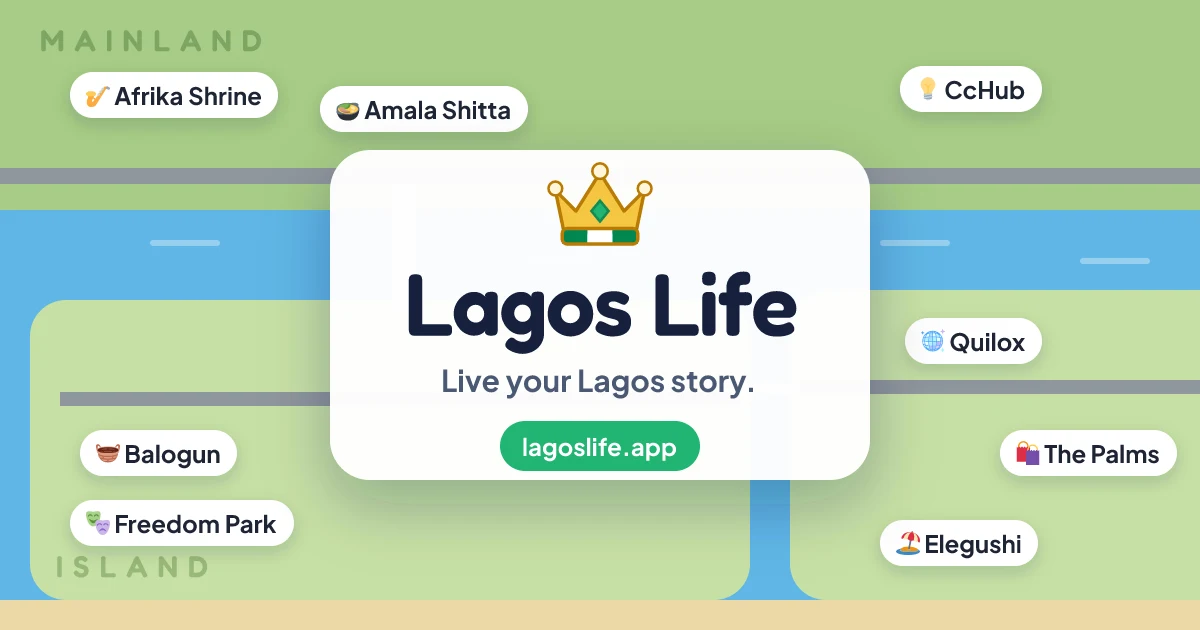 Lagos Life
A hit like this always brings a wave of new games, and this wave arrived in weeks. Within a month there were more than two dozen Nigerian and West African browser games competing for the same players.
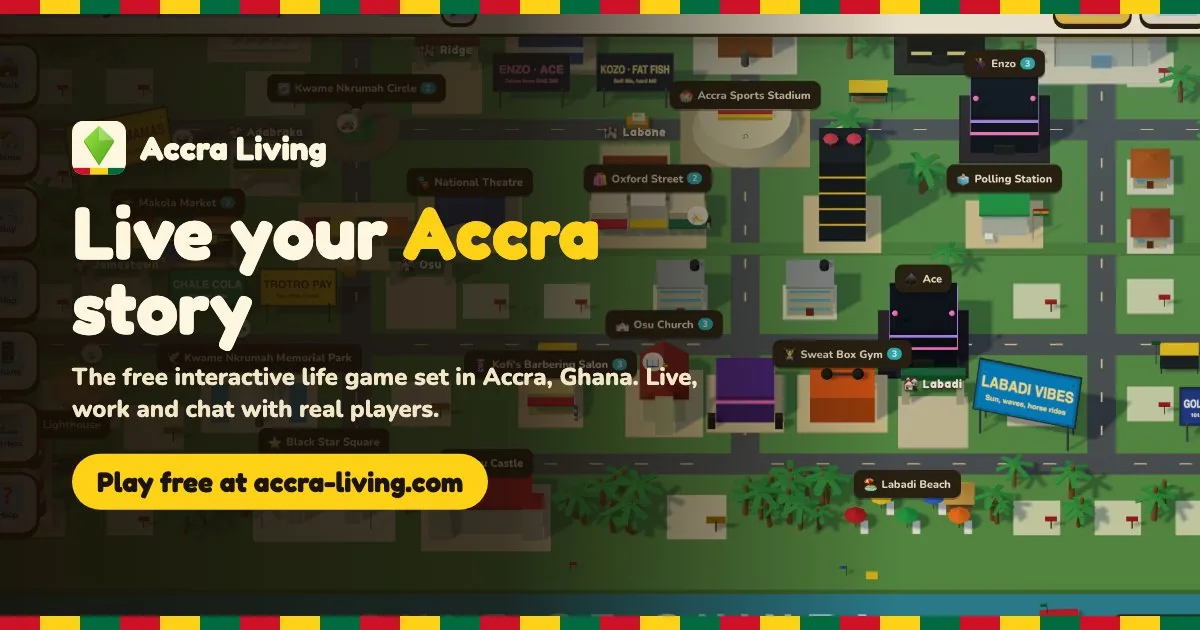
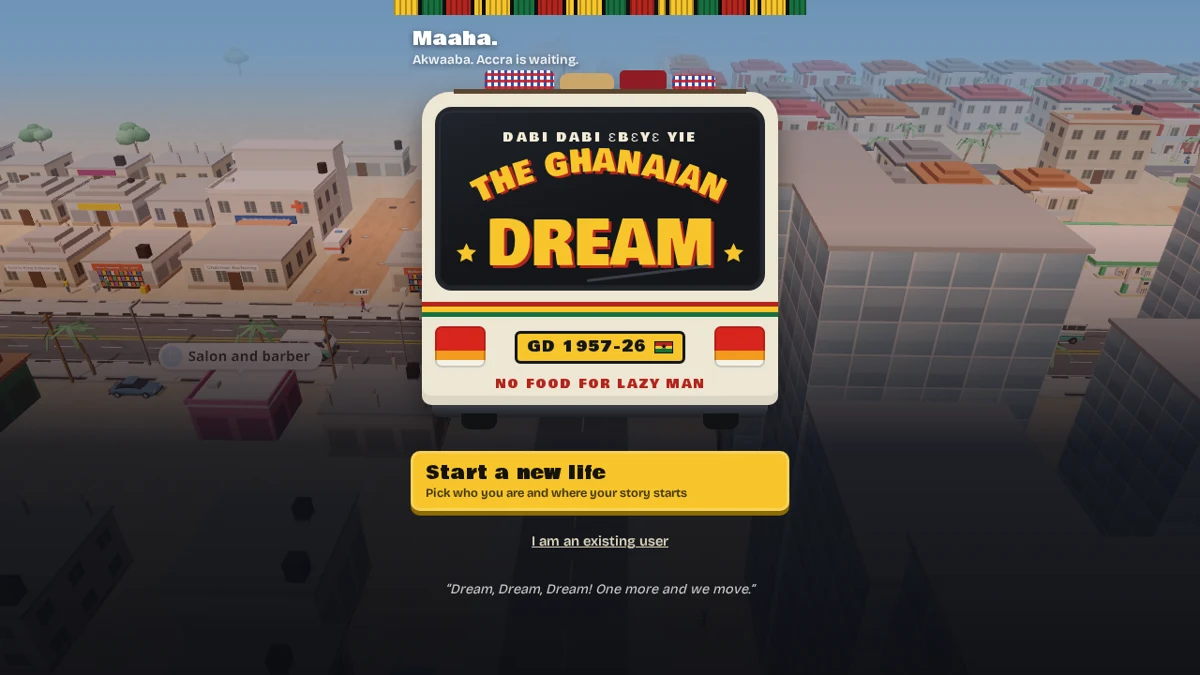
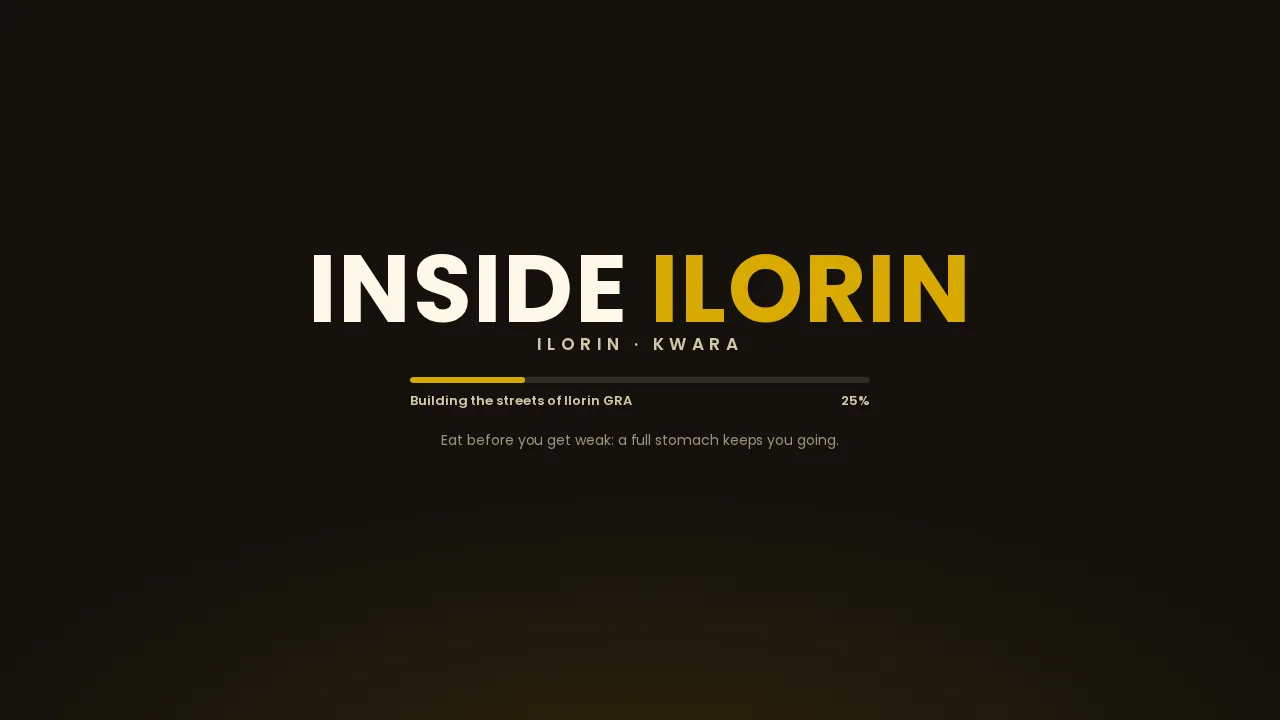
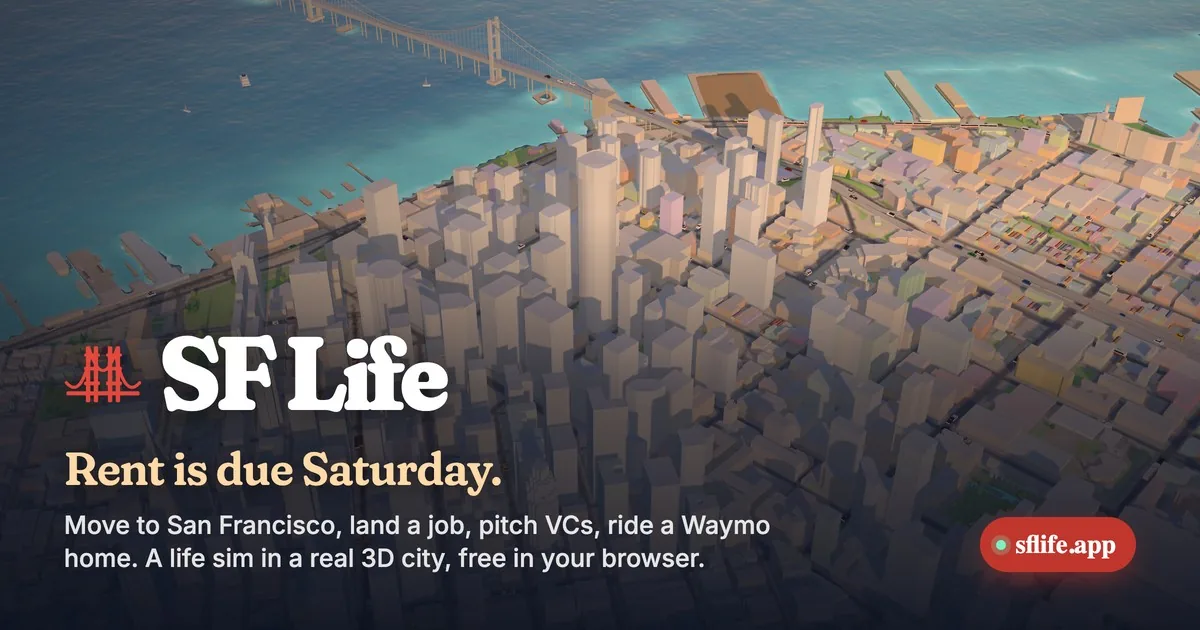
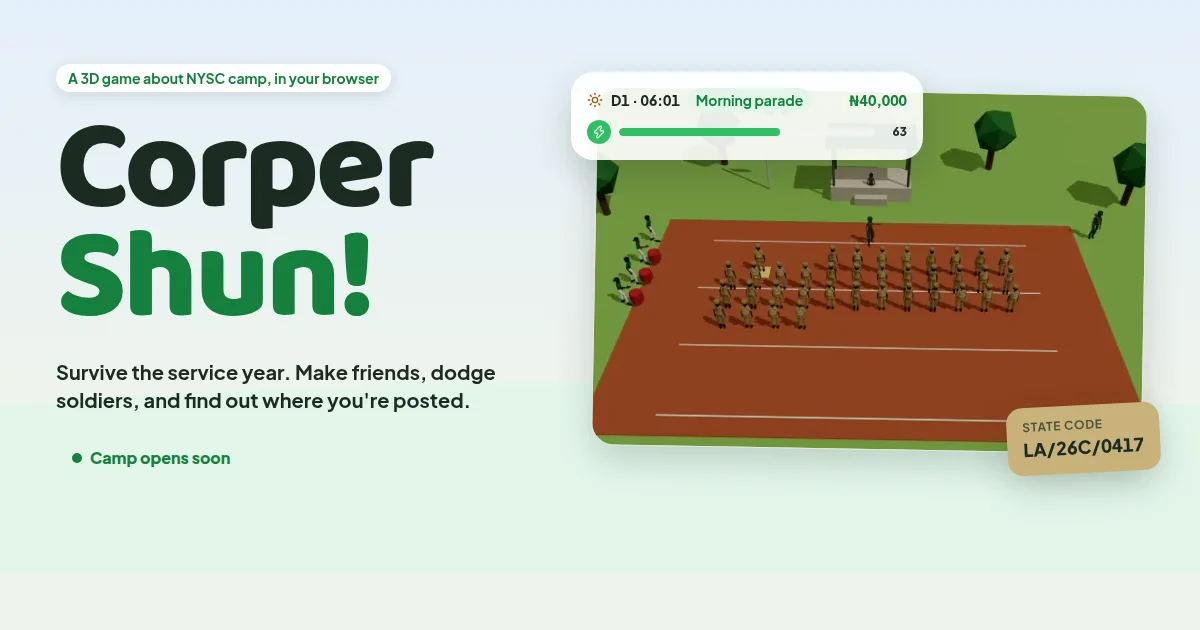
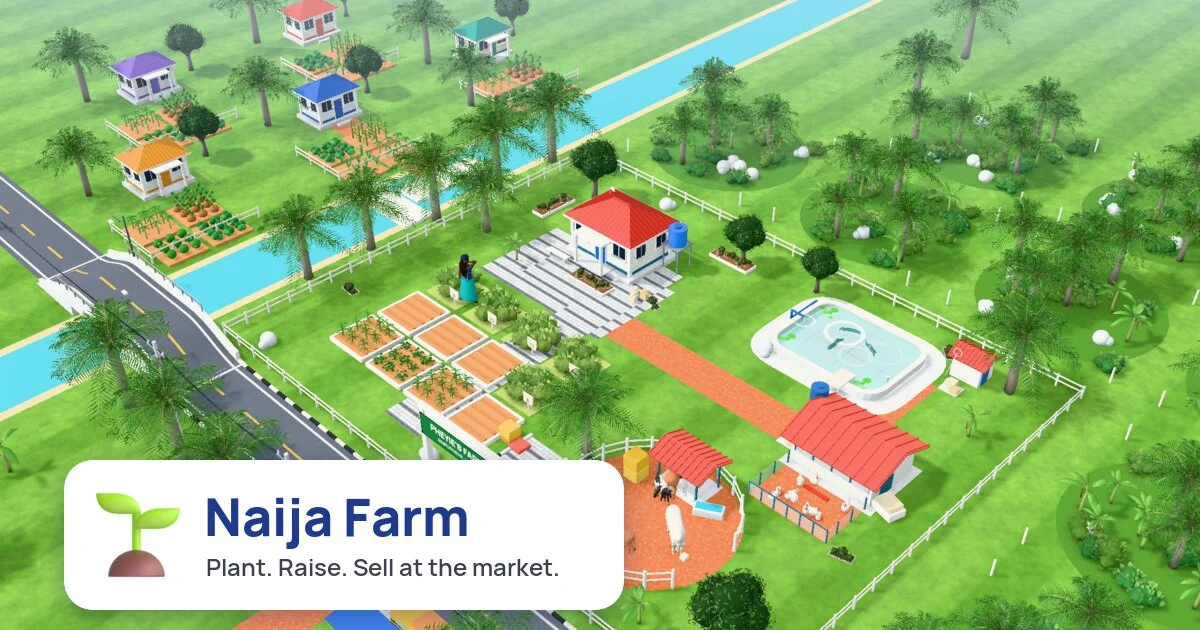
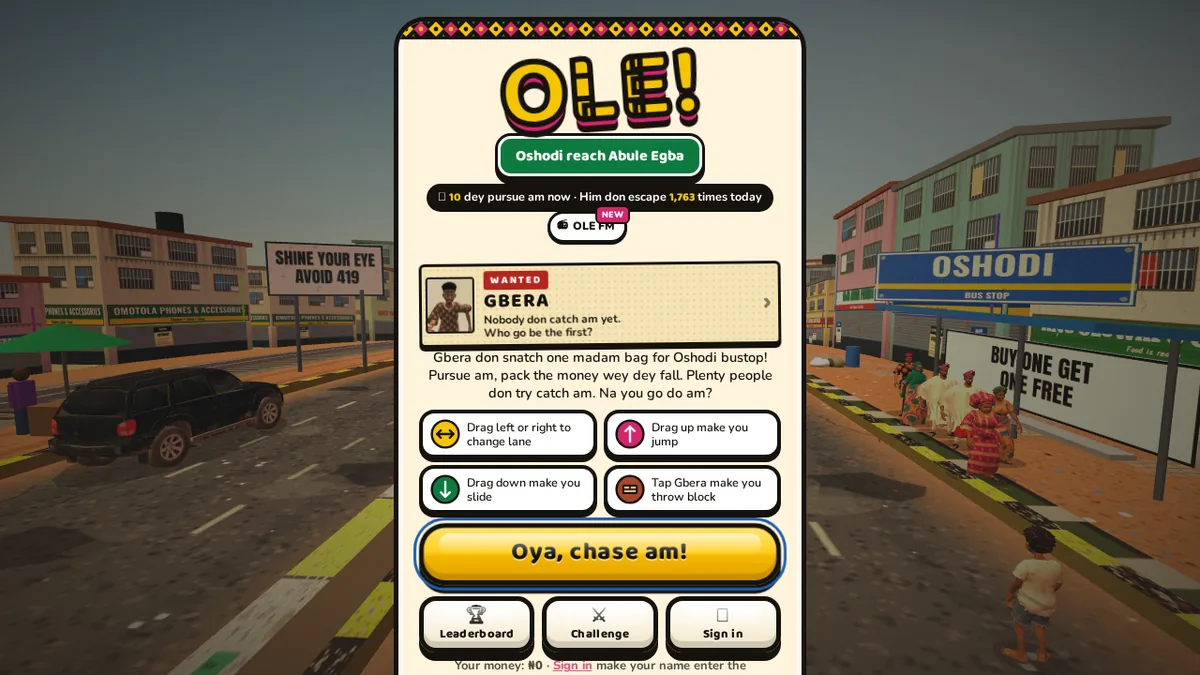
Some take the life-sim route and point it at new cities: Accra Living, Ghanaian Dream, Inside Ilorin, even SF Life. Others pick one Nigerian experience and build around it. Corper Shun recreates NYSC orientation camp. Naija Farm has you growing ugu and haggling at the market. Ole! Catch Thief sends you chasing a bag snatcher from Oshodi to Abule Egba.
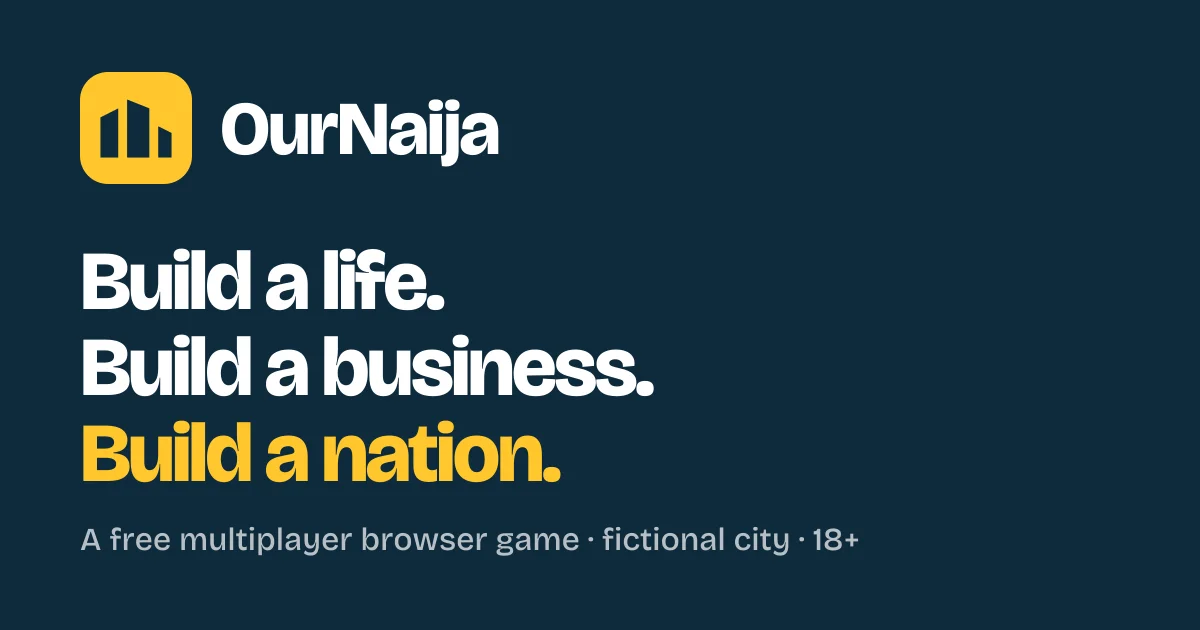
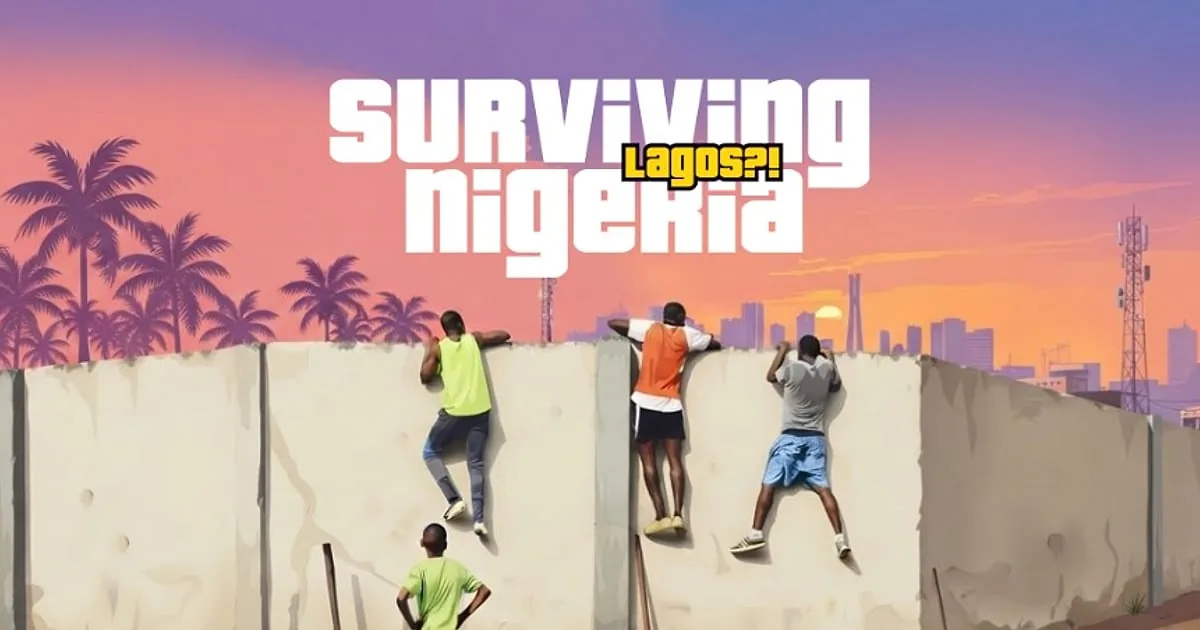
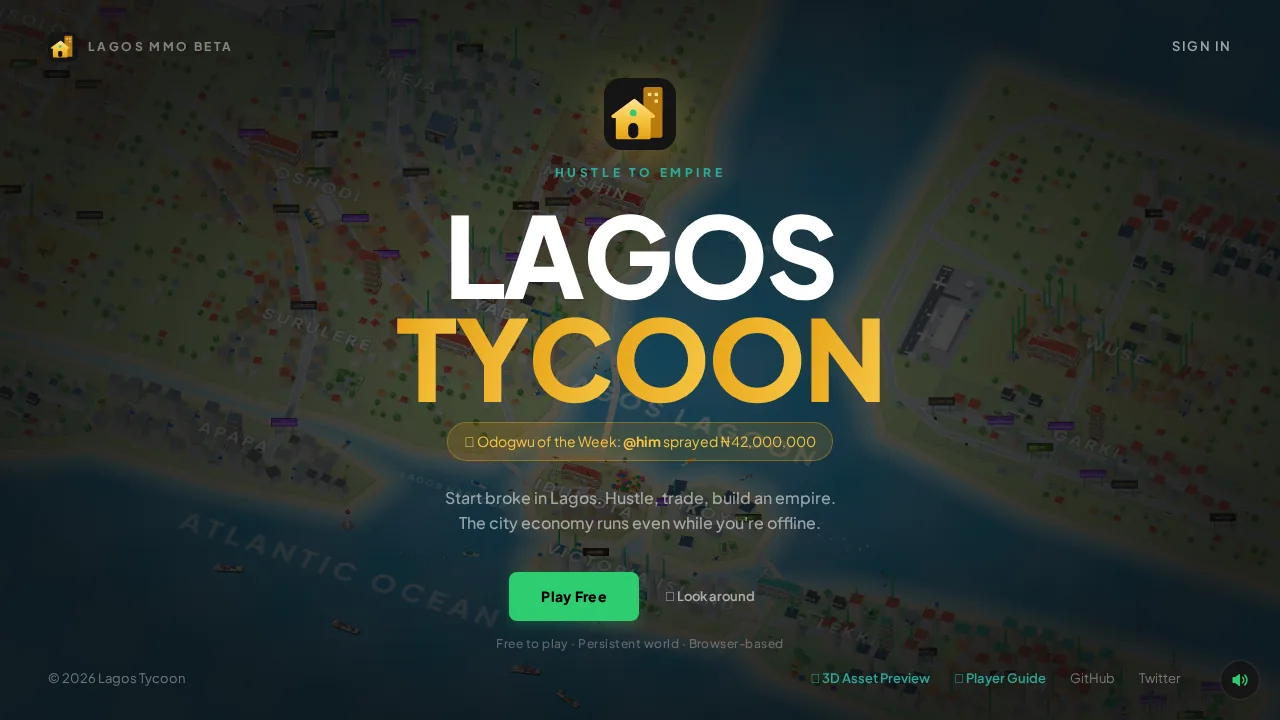
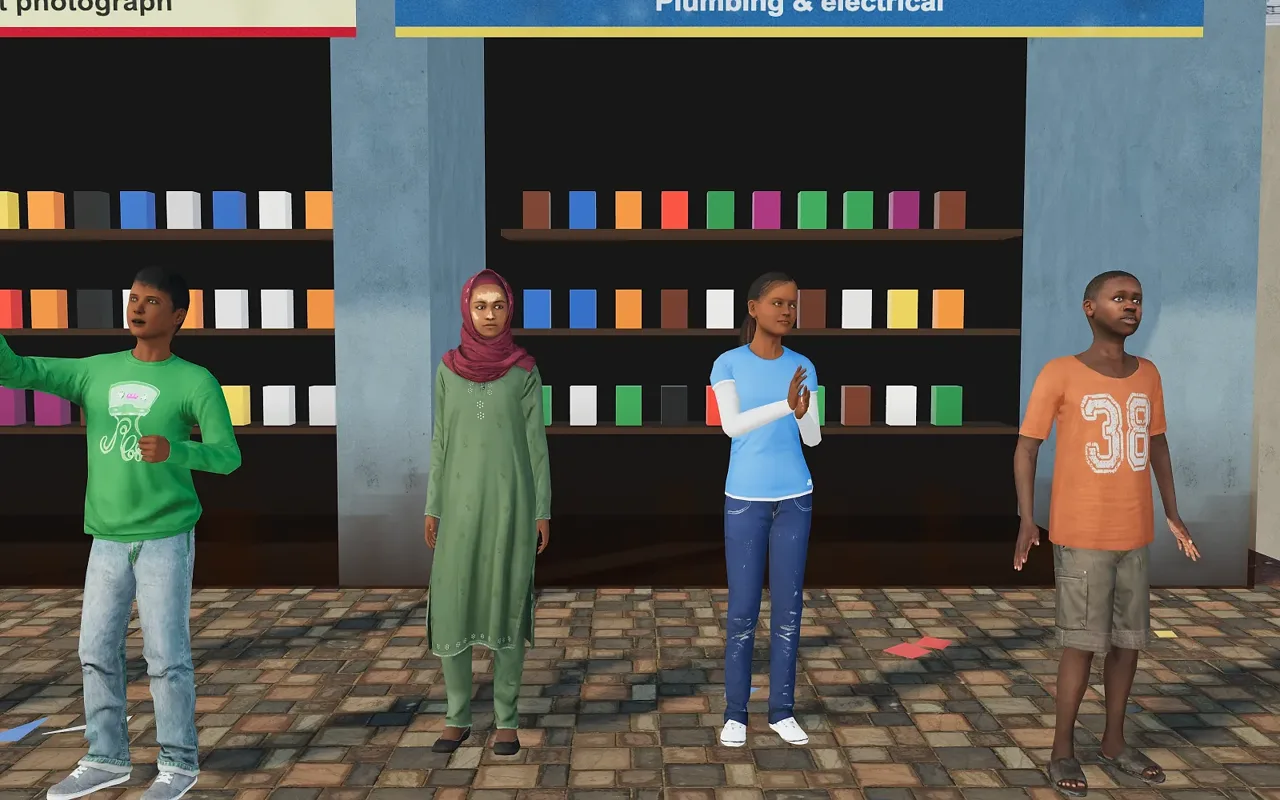
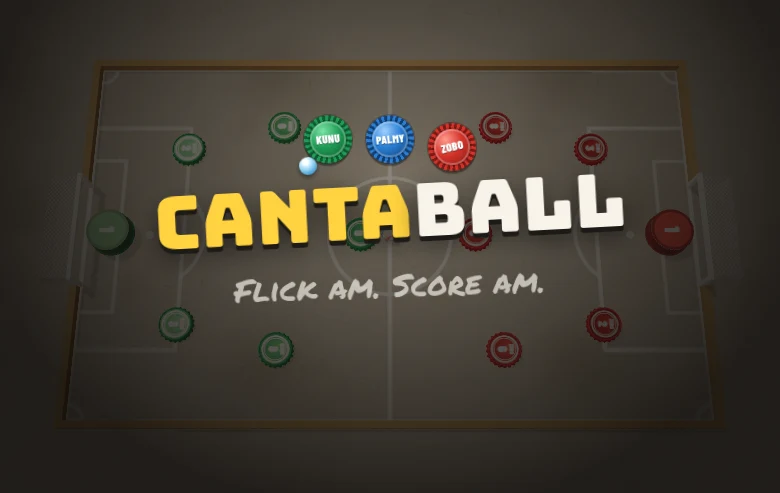
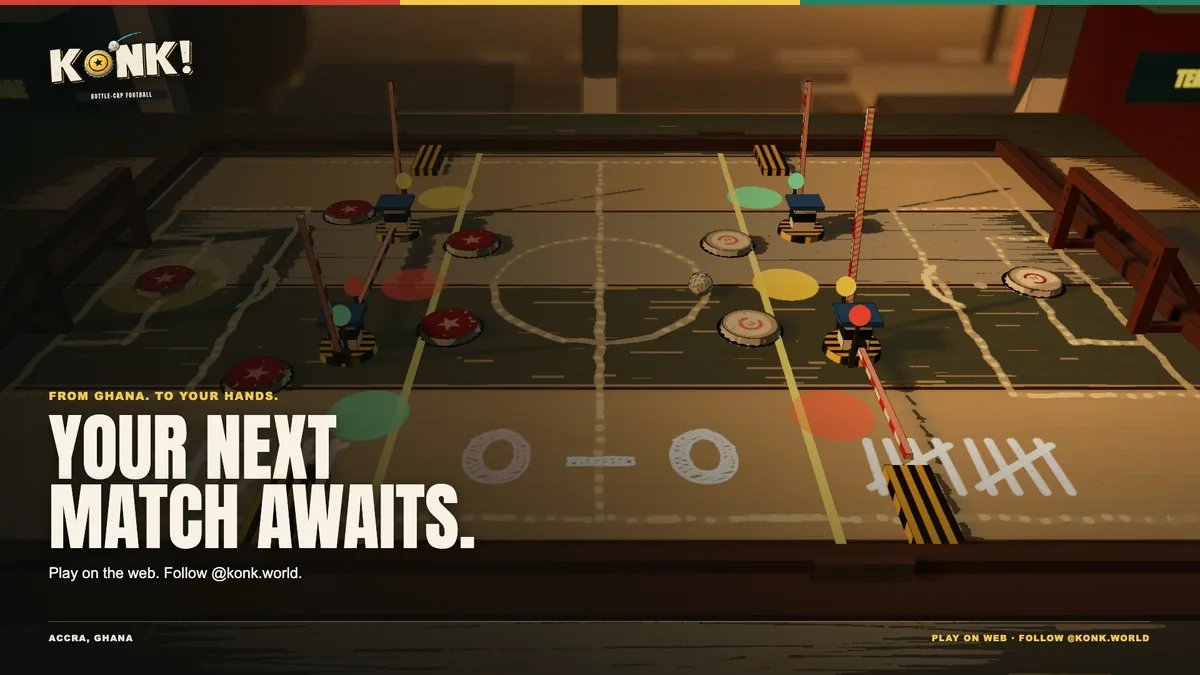
Then there are the multiplayer worlds (OurNaija, Surviving Nigeria, Lagos Tycoon) and the childhood games remade for the browser: Ten-Ten, Suwe and bottle-cap football. The variety is the real story. Nigerian developers have stopped asking whether local stories can be games and started asking which ones.
The viral moment sits on top of a market that was already growing fast. PwC's Africa Entertainment and Media Outlook 2026–2030 puts Nigeria's video games and esports revenue at US$286m in 2025, rising to US$431m by 2030. That's 8.5% a year, more than double the global rate of 3.6%.
Gaming already earns more than traditional TV in Nigeria: US$286m against US$257m in 2025. By 2030, PwC expects it to almost match internet advertising (US$431m against US$439m). Gaming also makes up a much bigger share of Nigeria's media market than it does in South Africa or Kenya.
Nigeria is still smaller than South Africa, which PwC forecasts at US$694m by 2030. But it is growing the fastest of the three markets PwC tracks: Nigeria 8.5% a year, Kenya 5.8%, South Africa 4.3%.
- Nigeria gaming, 2025US$286m
- Nigeria traditional TV, 2025US$257m
- Nigeria gaming, 2030US$431m
- Nigeria internet advertising, 2030US$439m
- South Africa gaming, 2030US$694m
- Nigeria
- 8.5% a year
- Kenya
- 5.8% a year
- South Africa
- 4.3% a year
- Global
- 3.6% a year
Three things came together.
- AI made building cheap. Lagos Run took one engineer about a month alongside a day job. Rayhamen relied heavily on AI to build Lagos Life and now uses AI agents to catch bugs and prioritise features. Work that once needed a studio and funding now needs a laptop and a weekend.
- The browser removed the wall. Nigerian players are mobile-first and careful with data. A big app store download is a real cost; a link shared in a WhatsApp group is not. Every game in this wave plays in the browser with no install. This is where the money already is: PwC says social and casual games, which it defines as app and browser games, made up 77% of Nigeria's gaming revenue in 2025.
- Culture became the gameplay. These games aren't just set in Lagos. The jokes, places and struggles are the mechanics. Nepo versus Lapo, the danfo, the go-slow, the NYSC posting letter: players see their own lives and share the game because of it.
The last point matters most. You can copy the tech in a month. Deep cultural knowledge is much harder to copy.
Going viral is the easy part. Three problems decide whether this becomes an industry or a fad.
Keeping players.
Novelty spikes fade. The question for Lagos Life and everyone following it is who is still logging in at week eight. Life sims live or die on fresh content, events and a reason to come back tomorrow.
Running an economy.
Lagos Life has already had an outage and an exploit that let some players create huge amounts of money. The developer reset the affected funds. With real cash coming in and brands paying for billboards, the in-game economy has to be run like a real one, with moderation, security and balance.
Trustworthy numbers.
Almost every figure in this story comes from the developers' own dashboards. That's normal at this stage, but advertisers and investors will soon want independent counts of daily players and retention. The first studio to publish audited numbers will have an edge when selling ads.
Data and wallets.
Most Nigerian spending on media still goes on simply getting online. PwC puts connectivity at about US$2.5bn of Nigeria's US$3.8bn media market in 2025, which leaves little left for everything else. PwC also forecasts 5G at only 35.3% of Nigerian mobile subscriptions by 2030. Games that stay light, cheap to run and playable on patchy networks will have the advantage.
For years, African gaming meant mobile casual titles and betting apps. This wave shows something else: a home audience that will flock to games that feel like home, and developers who can now build them fast and cheap.
The next phase will be harder and more interesting. With more games appearing every week, the advantage moves from building to finding, keeping and paying for players. That means discovery, curation, honest charts and brands willing to pay for the attention. PwC's data points the same way: in-app spending is still the biggest source of gaming revenue, but in-app advertising is forecast to grow faster through 2030. The billboards in Lagos Life are an early sign of that shift.
Lagos has been turned into a game. The next test is whether it can become a lasting industry.
- BusinessDay: Lagos Life crosses 1m players as Nigerian-built browser game goes viral
- UrbanGeekz: Two Nigerian developers create viral Lagos-inspired games using AI
- Vanguard: 10 things to know about the viral Lagos Life game
- Simba Dozibe: Inside the Nigerian game that went viral
- HotNewAfro Games
Market figures: PwC, Africa Entertainment and Media Outlook 2026–2030 (2025 actuals, 2026–2030 forecasts, US$).