HNA Magazine
Music
30 May 2026
Feature5 min read
Power to the People: Why the New Guard of African Music is Ditching the Major Label Blueprint
African artists are reclaiming their masters and building empires. Explore how independence and community are redefining the industry's DNA.
The Great Decoupling
For decades, the standard trajectory for any aspiring African superstar was a familiar, often exhausting arc: grind in the local scene, catch a viral moment, and pray for the elusive 'Western handshake' in the form of a major label deal. But as 2024 unfolds, the aesthetic of the industry has shifted. The mahogany desks and gatekept boardrooms of London and New York are no longer the only seats of power. Instead, the real influence is being liquidated into the hands of the creators themselves. We are officially in the era of the Sovereign Artist.
From the bustling creative hubs of Lagos and Accra to the sonic laboratories of Johannesburg, African artists are realizing that the 'big machine' isn't always the best machine. The allure of the multi-million dollar advance is being eclipsed by the long-term value of equity, ownership, and direct-to-consumer relationships. It’s a revolution built on the back of digital distribution, localized fanbases, and an unwavering commitment to creative autonomy.
The Fall of the Gatekeeper
In the past, major labels served as the essential bridge to global infrastructure. They controlled the radio plugs, the billboard spend, and the physical distribution. Today, a kid in her bedroom in Nairobi can upload a track to a distribution service, leverage TikTok for viral choreography, and find herself on a Spotify Global Top 50 playlist before a scout even has time to send an introductory DM.
"Independence isn't just about not having a boss; it's about having the freedom to move at the speed of culture rather than the speed of a corporate calendar."
This decentralization has stripped away the power of traditional gatekeepers. When artists like Odunsi (The Engine) or Santi pioneered the Alté movement, they didn't wait for institutional approval. They built an entire ecosystem—an aesthetic, a sound, and a lifestyle—that forced the industry to come to them. This bottom-up approach has become the blueprint for survival in the streaming age.
The Community-First Model
At the center of this shift is the concept of community over commerce. While major labels are often criticized for viewing fans as mere metrics on a spreadsheet, independent artists are treating their audience as a localized tribe. This isn't just about 'followers'; it's about active participants in a movement. Digital platforms like Discord, Telegram, and even WhatsApp groups have become the new fan clubs where artists share exclusive snippets, merch drops, and intimate updates.
By fostering this proximity, artists are creating a 'walled garden' of support that protects them from the volatility of the industry. When an artist owns their data and their relationship with the fan, they are no longer at the mercy of an algorithm change or a label’s budget cut. This is the Direct-to-Fan (D2F) economy in its most potent form.
Ownership: The Ultimate Flex
Perhaps the most significant driver of the indie boom is the collective awakening regarding master recordings. The stories of legendary African musicians losing their catalogs to predatory contracts have become cautionary tales for the Gen Z and Millennial cohorts. Today, the flex isn't the chain or the car; it's the ownership of the mechanical rights.
We are seeing the rise of 'Indie-Majors'—artist-led imprints that operate with the efficiency of a label but the heart of a collective. These entities allow artists to sign distribution deals that offer global reach while retaining their intellectual property. It’s a middle-ground that provides the best of both worlds: the muscle of a conglomerate and the soul of an independent spirit.
The Role of Technology and FinTech
The rise of independence wouldn't be possible without the technological infrastructure specifically tailored for the African continent. Startups focusing on royalty advances, transparent data analytics, and cross-border payments are empowering artists to run their careers like startups. Finance is no longer a mystery hidden behind a label’s accounting department; it’s a dashboard on a smartphone.
Web3 and NFTs, despite the market volatility, have also provided a glimpse into a future where fractional ownership and social tokens allow fans to invest directly in an artist's career. While still in its infancy, the sentiment remains: the future of music is participatory.
The Challenges of Self-Governance
However, the path of the independent artist is not without its thorns. Without a major label's bottomless marketing spend, the burden of branding, logistics, and legalities falls squarely on the artist and their small team. The 'Burnout' factor is real. Being an artist, a CEO, a social media manager, and a creative director simultaneously is a Herculean task.
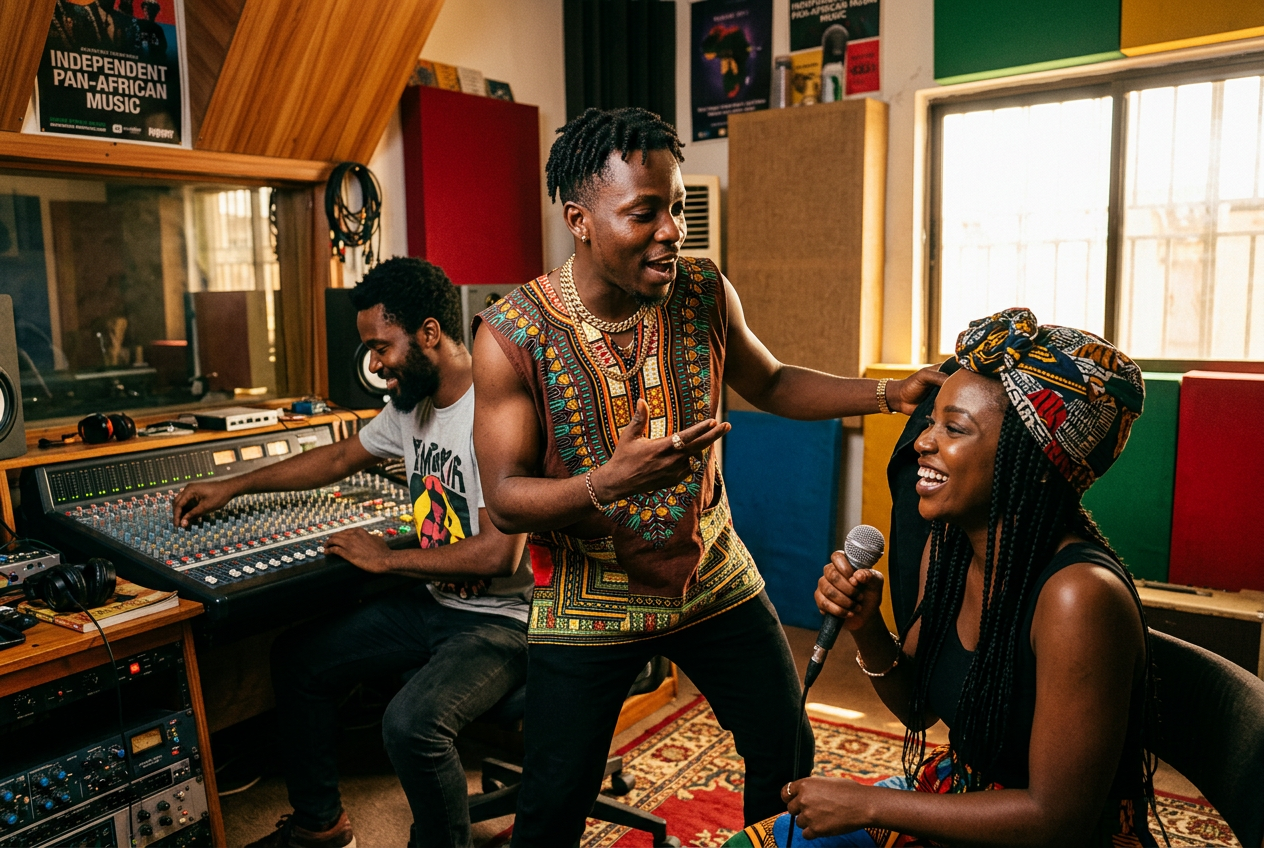
This is where the 'Community' aspect becomes vital once more. We are seeing a trend of 'collaboration over competition.' Artists are pooling resources—sharing photographers, tour managers, and even legal counsel—to create a DIY infrastructure that mimics the power of a major label without the red tape.
The Roadmap Ahead
As we look toward the future, the distinction between 'signed' and 'unsigned' will continue to blur. Success will no longer be defined by the logo on the back of a CD (if those still existed) but by the sustainability of the artist's career. The modern African artist is a multi-hyphenate mogul who understands that their voice is their brand and their community is their currency.
The era of independence is here, and it is unapologetically African. It is a testament to the resilience of a continent that has always known how to create something out of nothing. The gatekeepers haven't just been bypassed; the gates themselves have been dismantled. In this new world, the only thing that matters is the music, the message, and the people who believe in it.
For HNA Magazine, this isn't just a trend—it’s the new standard. Whether you're a fan or a creator, recognize the shift. The power has returned to where it always belonged: with the people.
Explore HNA